Have you ever cared about the material of buttons on clothes
2024-12-26
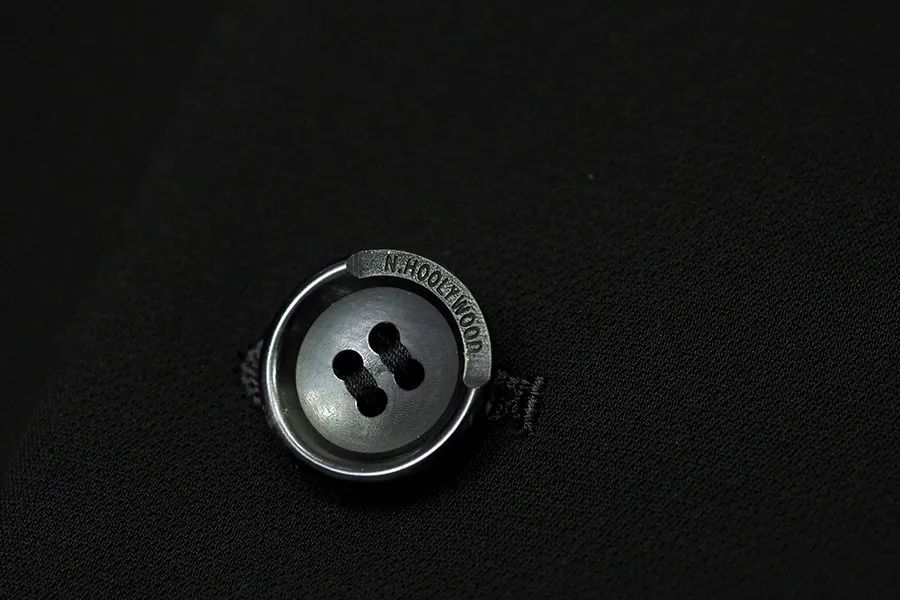
what are the difference about buttons
To be honest, most of the time when we buy clothes, we rarely pay attention to the material of the buttons on the clothes. Unless it's the expensive piece of clothing you've encountered, after reading about the brand, material, design, and comfort level of the garment, you can finally check if the button texture is good and if there's a brand logo on it.
Here's a "fun fact": Buttons, this inconspicuous item, has actually existed in various forms in this world for 5000 years. It's just that in recent centuries, it has only been used as a fastener on clothing, and it was not until the early 19th century that a standard was established - the four-hole button.
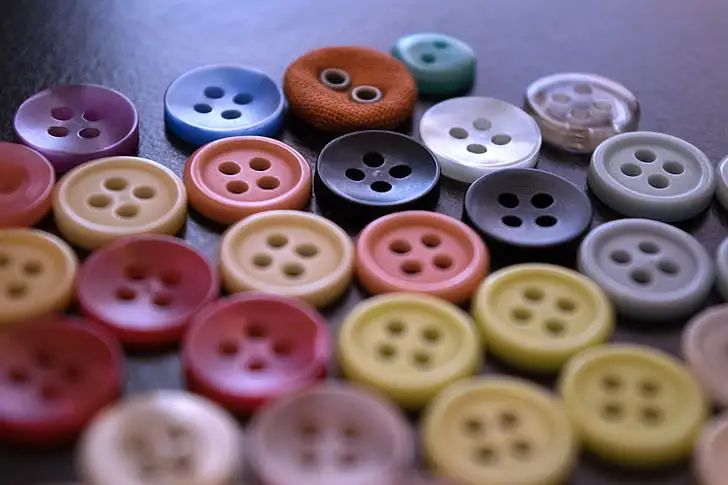
So, in order to respect this small object with a history of 5000 years, let's take some time to get to know buttons! Next, we will talk about modern buttons, which are commonly used in the clothing industry.
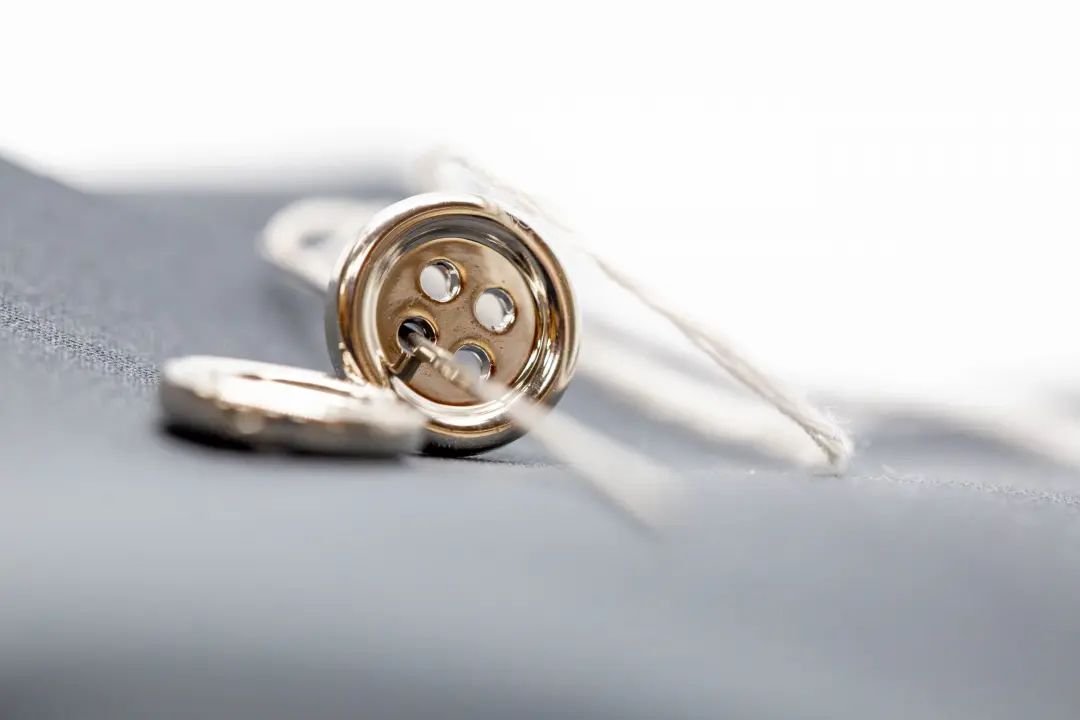
Plastic button
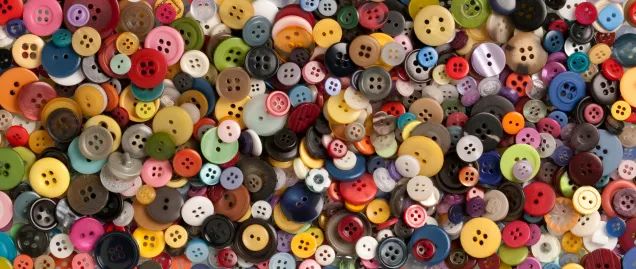
Plastic buttons are probably the most common type of button material. Plastic is a relatively new invention and is often used for buttons. A material called "electrical wood" is commonly used for plastic buttons. Electrical wood is a synthetic plastic that can be traced back to 1920. Many types of buttons are made from this material, and it remains a popular button material today. It is said that button collectors began with collecting electrical wood buttons, and they are also the most sought-after type.
Resin button
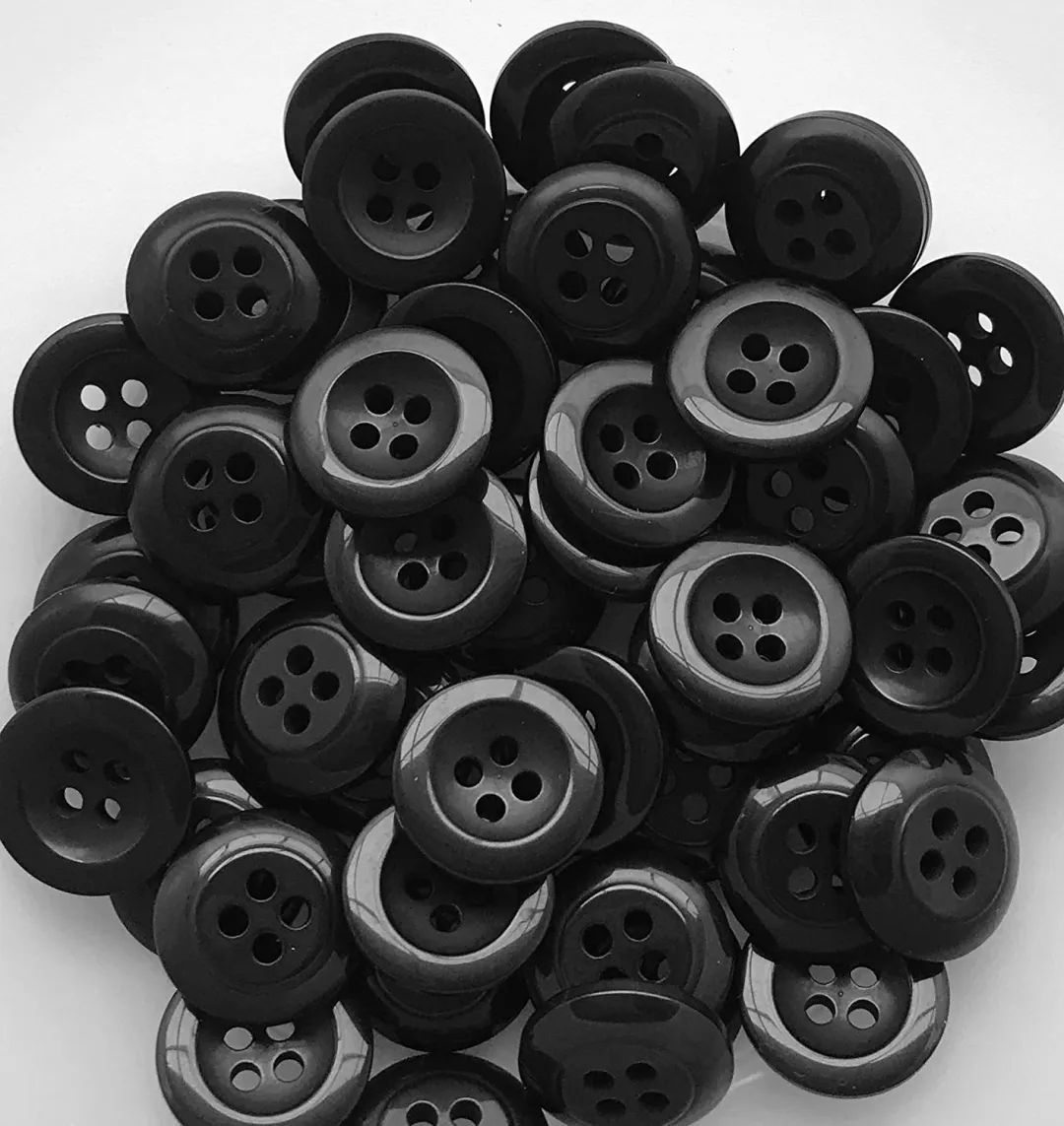
Resin was initially used on some lightweight and durable tableware, as a replacement for heavy and easily breakable ceramic tableware. Later, it was found to be suitable for making buttons as well. The characteristic of resin buttons is that there is a seam on the outer surface, which is a trace left during the molding process. The advantage of this is that it is easy to clean and has good durability. If you want to know if the buttons on your clothes are made of this material, you can check for the seam on the outer surface or burn them with fire. Resin buttons will not burn.
Polyester button
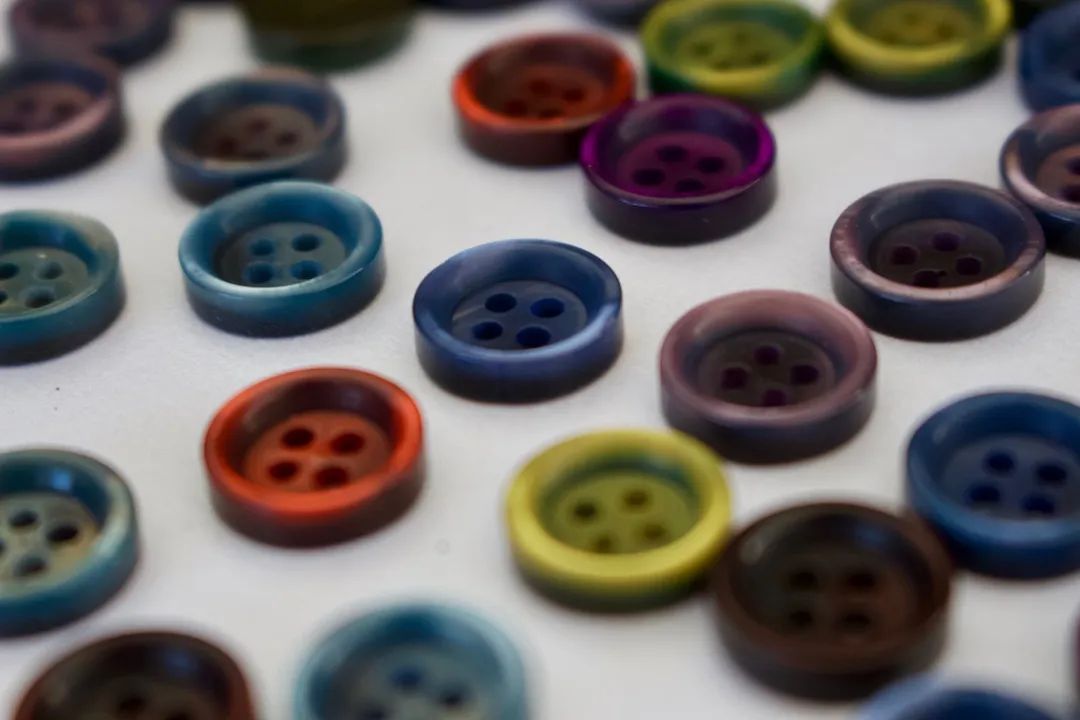
Polyester fiber, I believe everyone is familiar with it. Buttons made of polyester fiber are usually cast into pieces of material and then machined and polished on a lathe. Generally speaking, polyester fiber buttons are not very durable, but they have stable colors and good gloss.
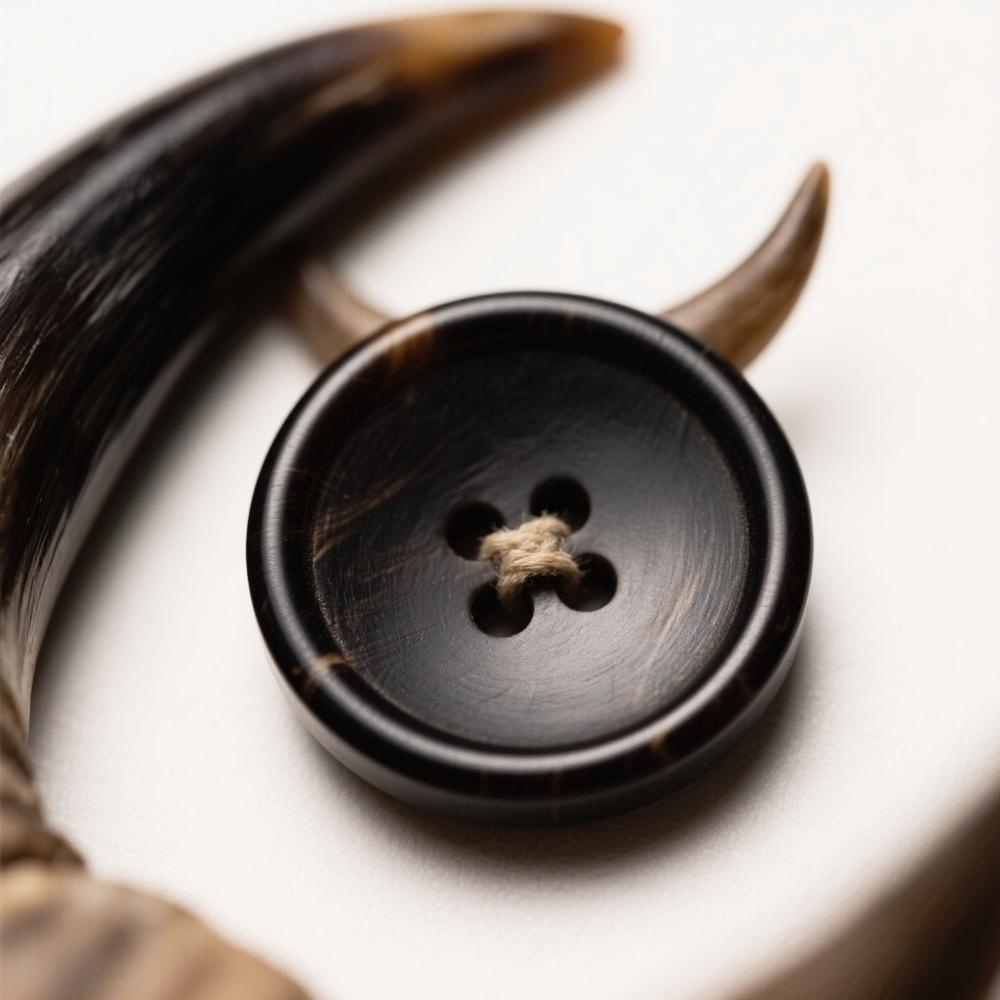
Horn buttons
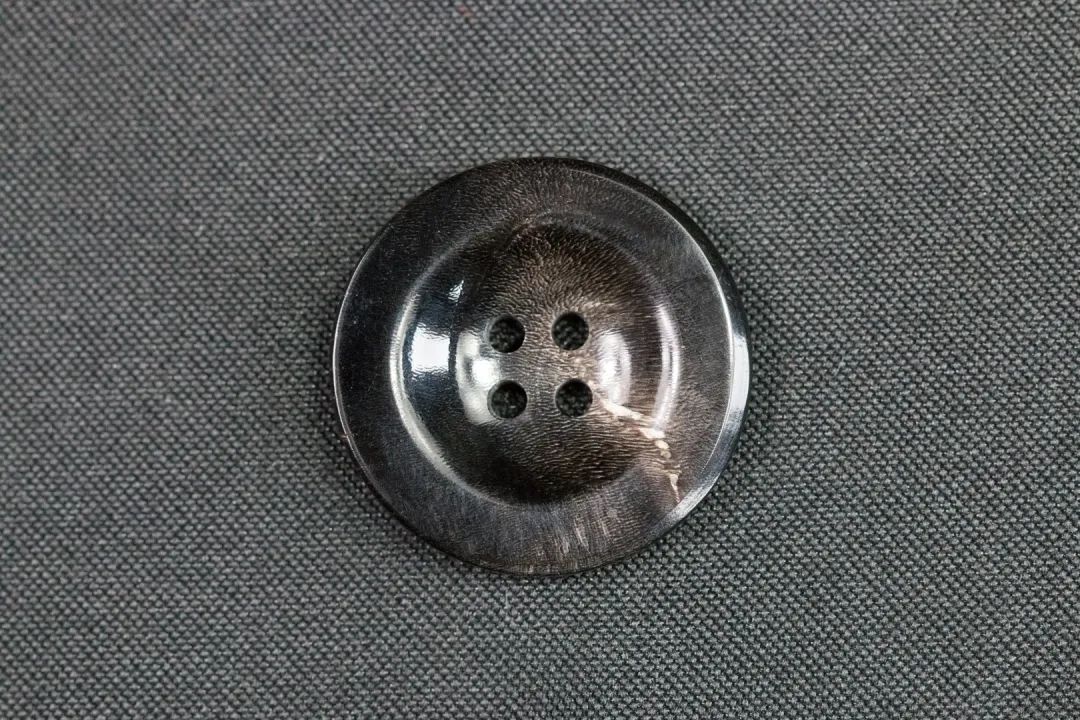
When it comes to horn buttons, there are many different materials available on the market, such as resin, wood, and painted wood, etc. These kinds of materials are not particularly notable. Real horn buttons, on the other hand, are typically divided into three categories: water buffalo, yellow buffalo, and white buffalo horn. They have a deep brown color.
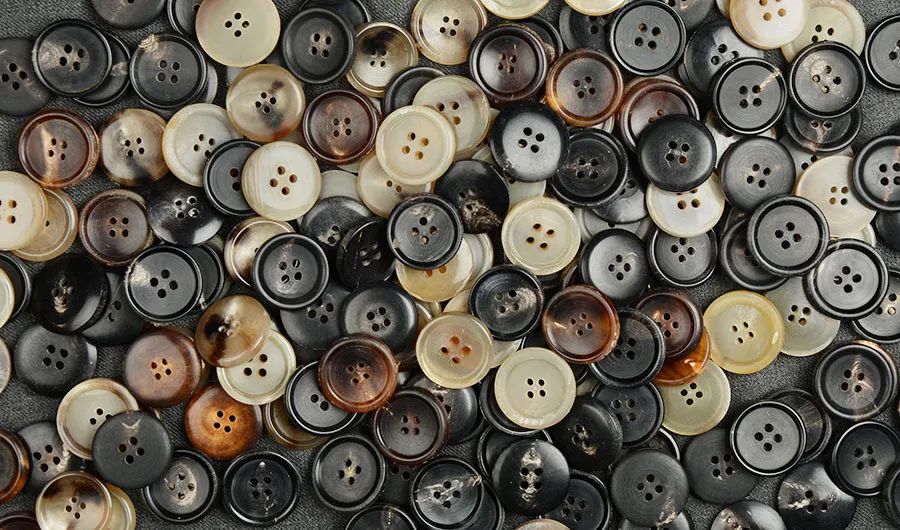
The application of horn buttons can be seen not only in so-called horn button coats (BTW, many horn button coats nowadays do not actually use horn material for the buttons, but instead use resin or wood – it's worth paying attention to this before purchasing), but also in suits, shirts, and especially custom-made suits. Horn buttons are created through several processes, including slicing, drilling, and polishing. Real horn buttons have a very natural pattern and a smooth texture. However, horn buttons also have their drawbacks – in very dry weather, they can crack easily.
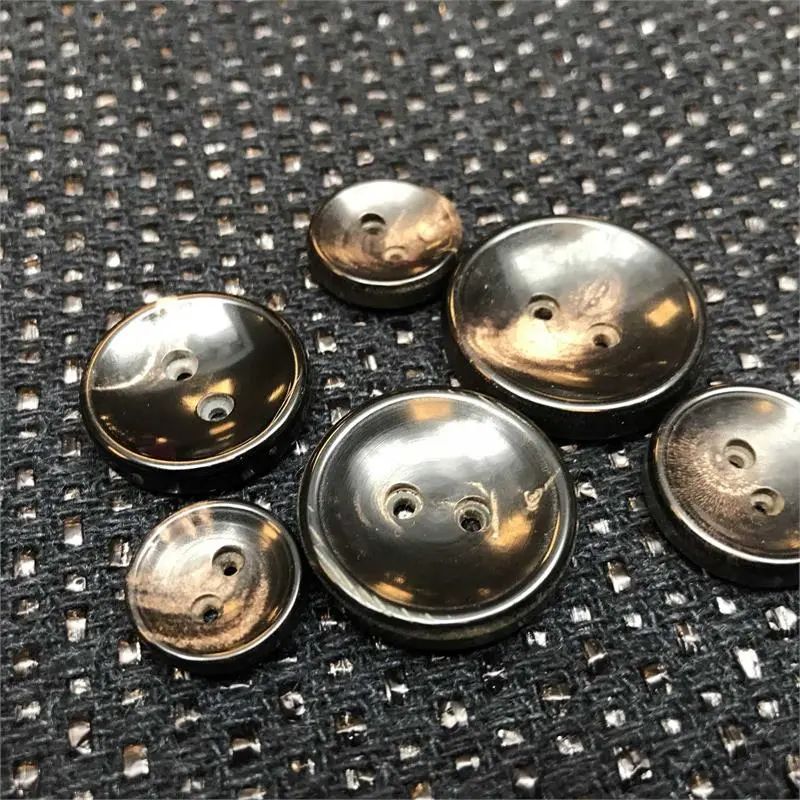
How to distinguish real and fake horn buttons? Firstly, check the color (usually dark brown). Secondly, check the pattern (all horn buttons have different patterns and are not very smooth, if the pattern is consistent then it is fake). Thirdly, check if there is static electricity after rubbing (if it can attract some paper scraps, then it is a real horn button).
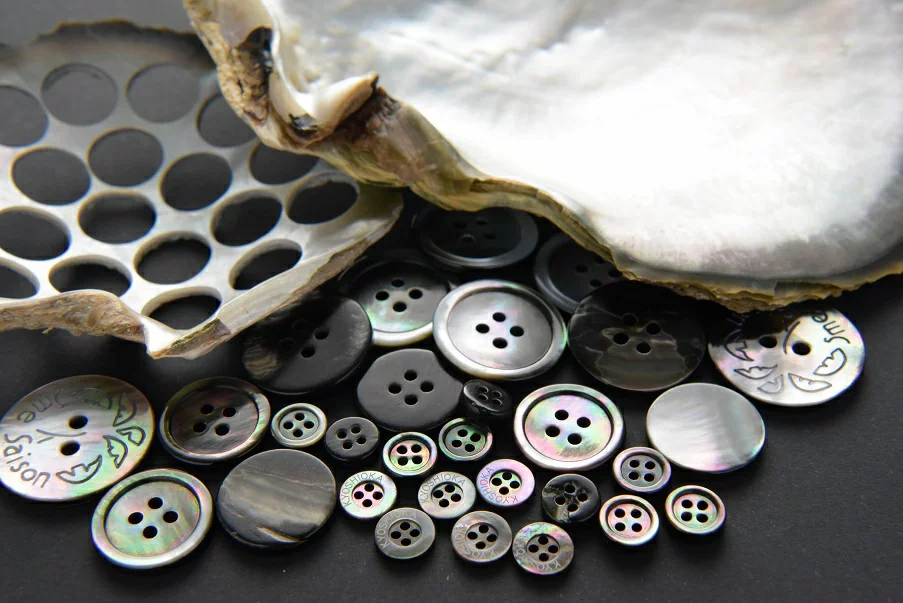
Shell buttons
There are many types of shell buttons, and they are a quite ancient natural button. They are generally made from deep-sea shells, such as white butterfly shells, black butterfly shells, abalone shells, Ma's shells, horseshoe crab shells, and so on. Shell buttons feel like stones to the touch, cool and shiny in appearance, and have a colorful hue. They are also heavier than plastic or resin buttons of the same size.
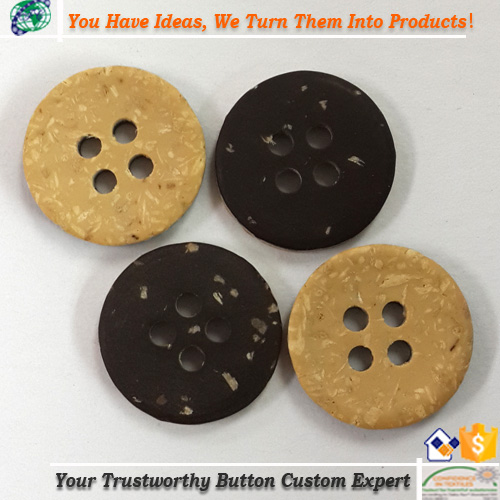
Coconut buttons
Coconut shell buttons, I believe this type of button is not unfamiliar to everyone and is often found on Hawaiian shirts! It is also a natural material, simply put, made from coconut shell.
Corozo buttons
The Corozo button, also known as the "ivory button," is actually made from the seed of a palm tree. After being dried in the sun for 3-4 months, the fruit turns a color similar to ivory and becomes as hard as ivory when fully dried. Due to the porous nature of the material, any desired color can be dyed onto the button with ease. The natural texture of each button makes them unique. Today, these buttons can be found on high-end suits alongside shell buttons as top-of-the-line materials.
So, don't assume that having custom-made suits with genuine horn buttons is the pinnacle of luxury - it's merely a basic operation.
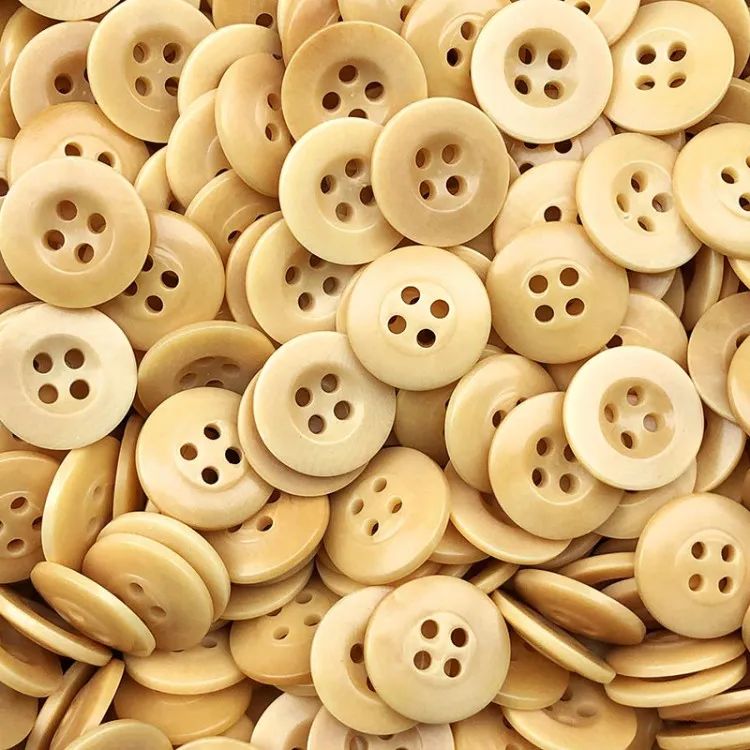
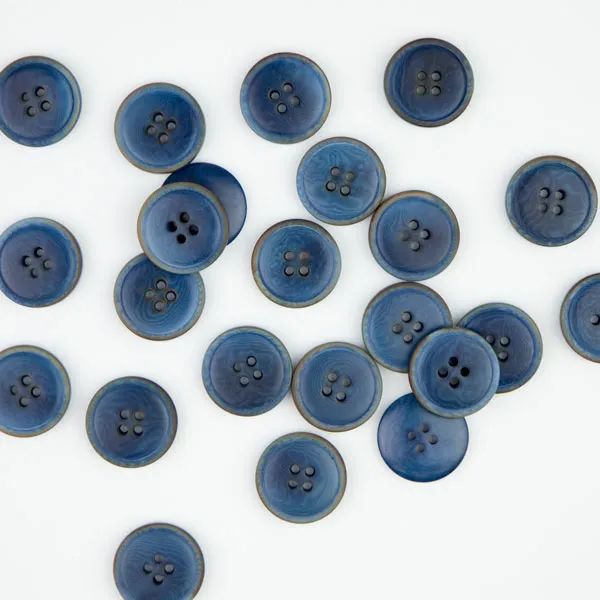
That's it for this issue on buttons. In fact, since the 19th century, natural materials for buttons have been nothing more than shells, horns, bones, wood, leather, coconut shells, and fruits. Non-natural materials include metal, resin, plastic, etc. Each type of button has its advantages and uses. Although buttons may seem insignificant, their inner workings are precise. Understanding buttons can be helpful when shopping for clothing in the future. So, that's all for now. See you next time!
Can Wooden Buttons Be Washed
Weekly New Knowledge: Buttons | Accessories
Related Article
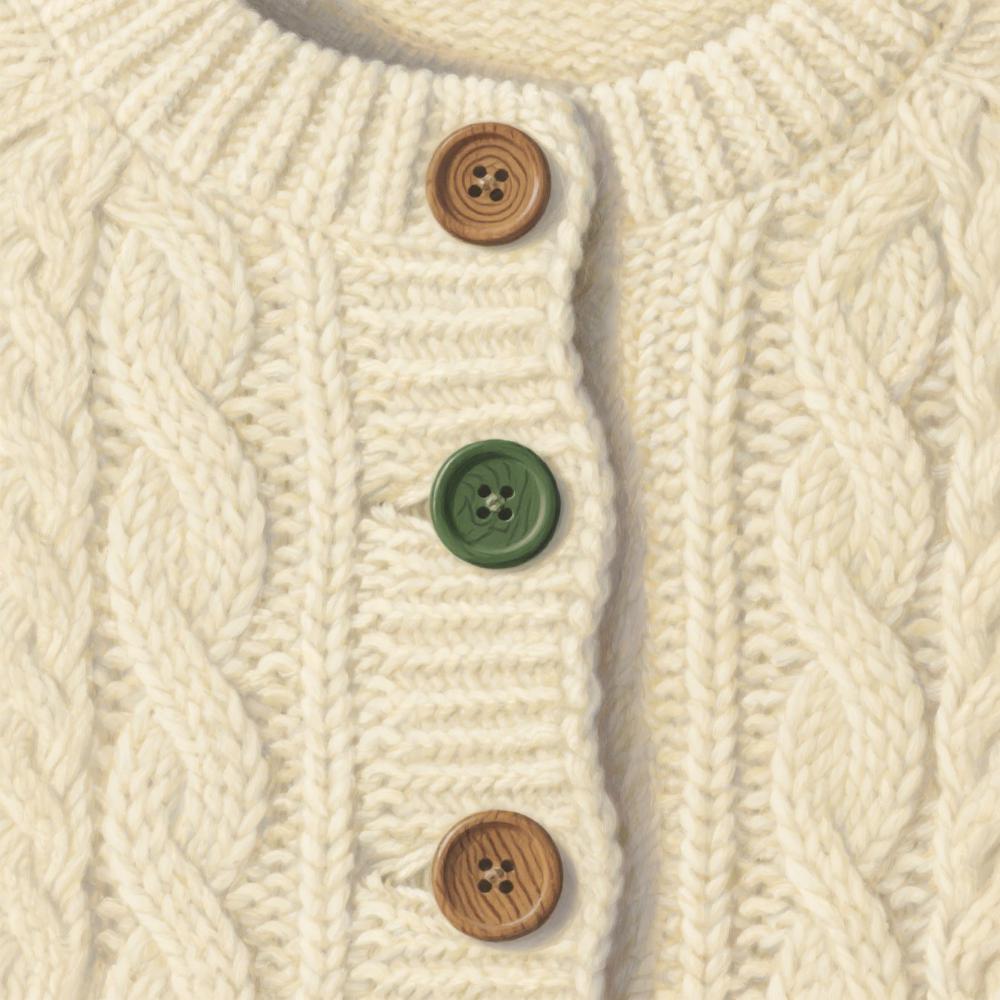
Among the various design elements that elevate a sweater's appeal, fake horn buttons have emerged as a standout choice.
mens sweaters-fake horn button
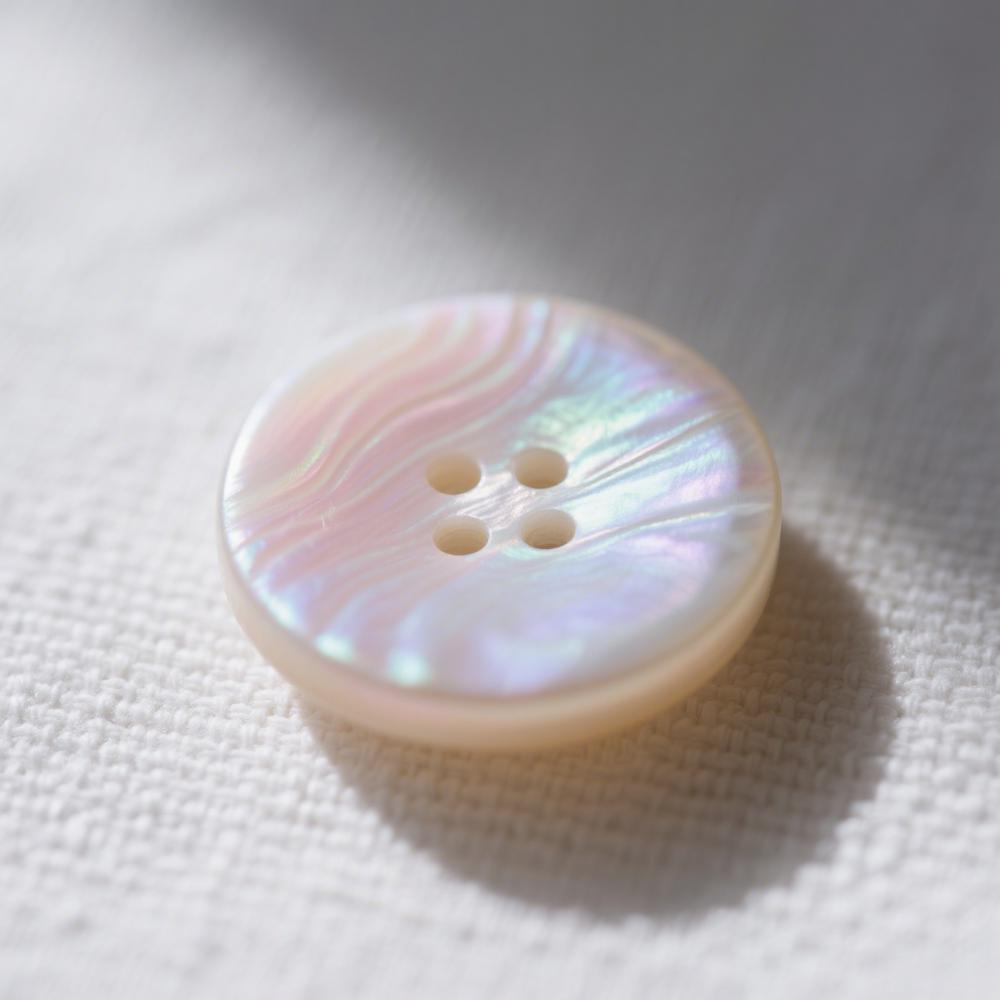
In the world of fashion, details often make the biggest statement, and few details carry as much elegance and history as mother of pearl buttons.
Mother of Pearl Buttons